
Moving IT equipment might look straightforward. A few servers, monitors, networking cabinets, maybe some specialist devices. But for businesses in healthcare, automotive, and IT-driven industries, the reality is far more complex.
When IT equipment is business-critical, a simple mistake during transport can lead to downtime, data loss, or costly replacements. Understanding the hidden risks is the first step toward avoiding them.
IT hardware is expensive, and it’s essential. Servers, diagnostic systems, control units, and networking equipment often support entire operations. If they don’t arrive safely, businesses can grind to a halt.
Unlike general freight, IT equipment is sensitive to shock, vibration, static, and environmental changes. A “normal” delivery approach can easily overlook these factors, creating risks that only show up once the equipment is switched back on.
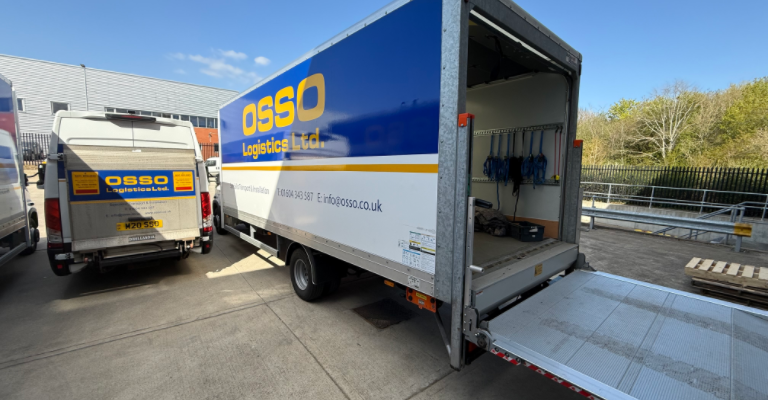
Even short journeys can cause damage if equipment isn’t packed and secured correctly. Servers and racks are heavy, unbalanced, and full of delicate internal components.
Common issues include:
These problems aren’t always visible on delivery, but they can cause failures days or weeks later.
IT equipment often contains sensitive data: patient records, manufacturing data, or proprietary systems. If devices are mishandled, lost, or accessed during transit, the consequences can be serious.
Without secure handling and clear chain-of-custody procedures, businesses risk:
This is especially critical for medical and regulated industries.
Temperature changes, humidity, and dust are silent threats. Leaving equipment in an unsuitable vehicle or loading bay, even briefly, can affect performance.
For example:
Professional logistics planning accounts for these risks before the move even begins.
One of the biggest hidden risks isn’t the equipment itself, it’s what happens when it’s unavailable.
If a server doesn’t power up, or a system fails post-move, businesses may face:
In automotive and medical environments, downtime isn’t just inconvenient, it can be extremely costly.
A safe IT move starts long before the vehicle arrives. This includes:
Experienced handlers understand how to move racks, servers, and sensitive devices without rushing or improvising. Secure vehicles, controlled environments, and careful loading make all the difference.
Businesses need to know when their equipment will arrive and in what condition. Clear timelines, tracking, and dependable delivery reduce stress and help teams plan system reinstalls efficiently.
Moving business-critical IT equipment isn’t just another delivery. It’s a high-risk moment for systems that keep businesses running.
Whether you’re relocating offices, upgrading infrastructure, or transporting specialist equipment for healthcare or automotive operations, choosing a logistics partner that understands the stakes matters.
OSSO Logistics takes a practical, no-nonsense approach to IT transport, treating your equipment with the care it deserves, so it arrives ready to work, not ready for repair.
If you need logistic support, please contact us!